
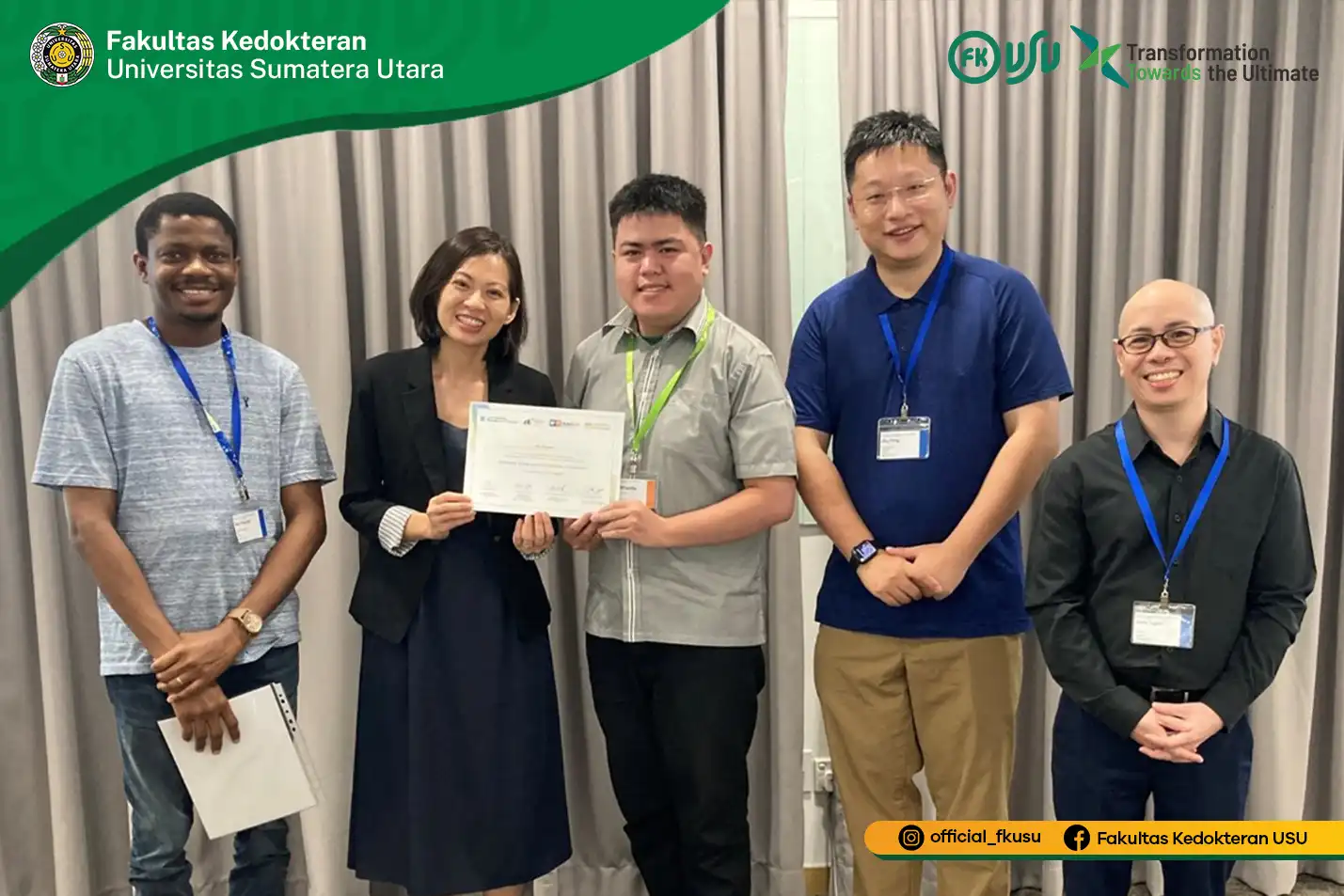
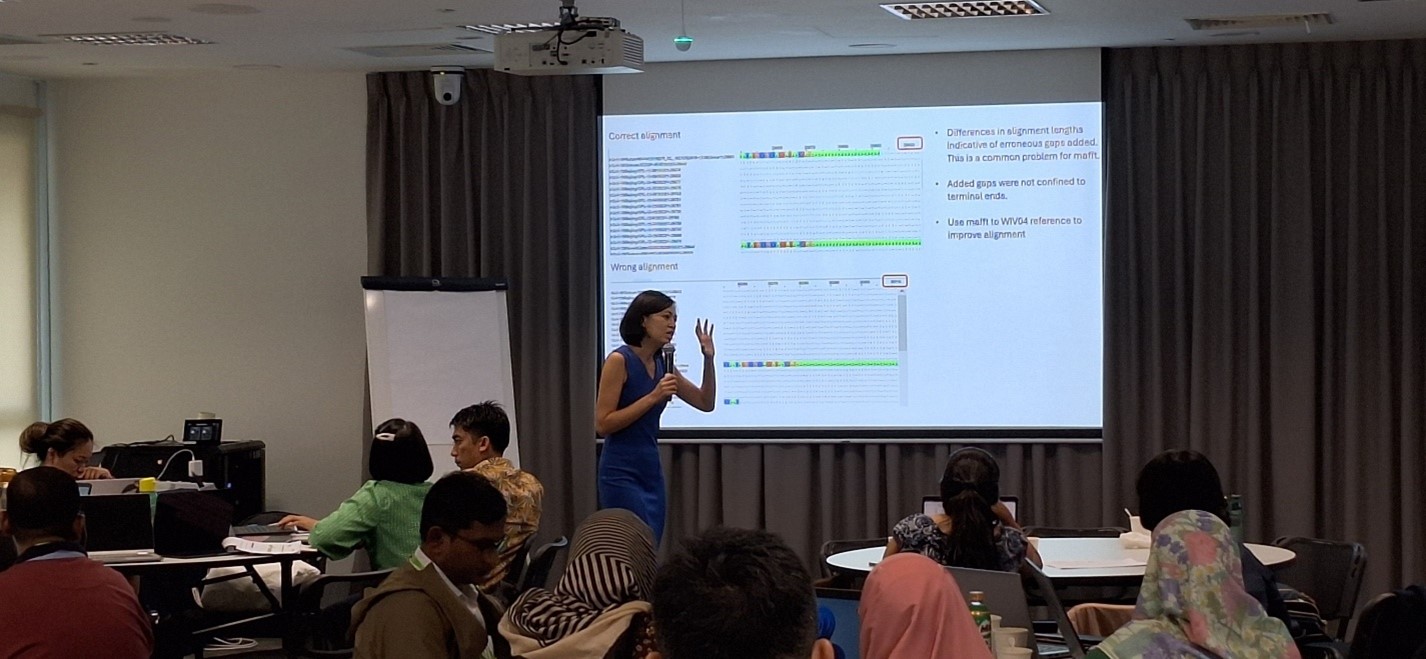
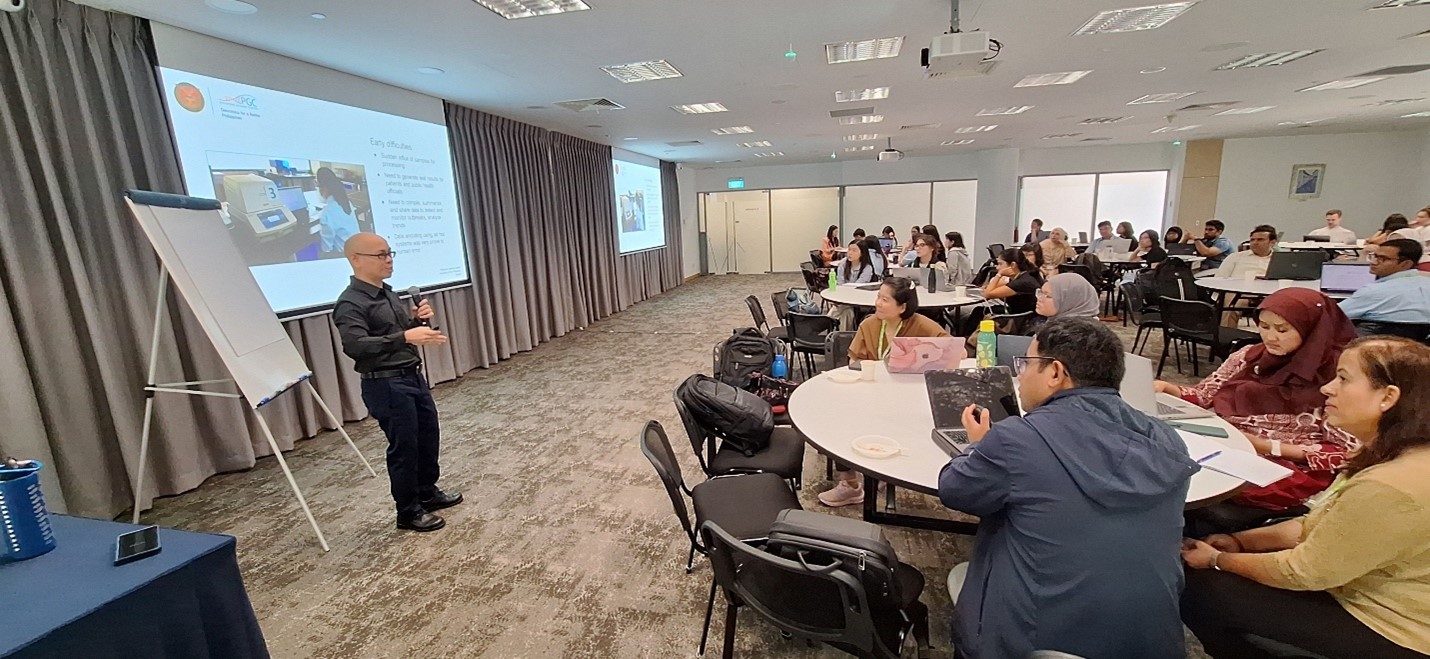
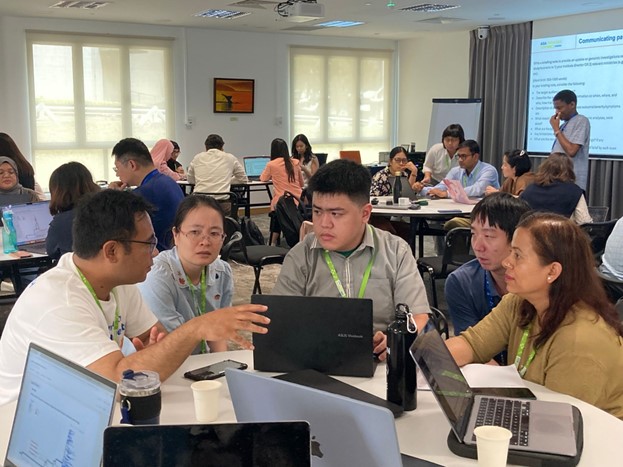
On February 24, 2025, a representative from the Integrated Laboratory, Faculty of Medicine, Universitas Sumatera Utara, Edy Wiranto, S.Si., M.Biomed. attended a training workshop entitled "Genomics Epidemiology of Viral Pathogens" held at Shaw Foundation House, National University of Singapore's Main Campus, Singapore. This event was initiated by the Asia Pathogen Genomics Initiative (Asia PGI) through the Centre for Outbreak Preparedness (COP) Duke-NUS Medical School, in collaboration with Chan Zuckerberg Biohub (CZI Biohub), A*STAR Bioinformatics Institute, and Duke-NUS Programme in Emerging Infectious Diseases. The workshop lasted 4 days until February 27, 2025, and was attended by 28 participants from 16 countries worldwide.
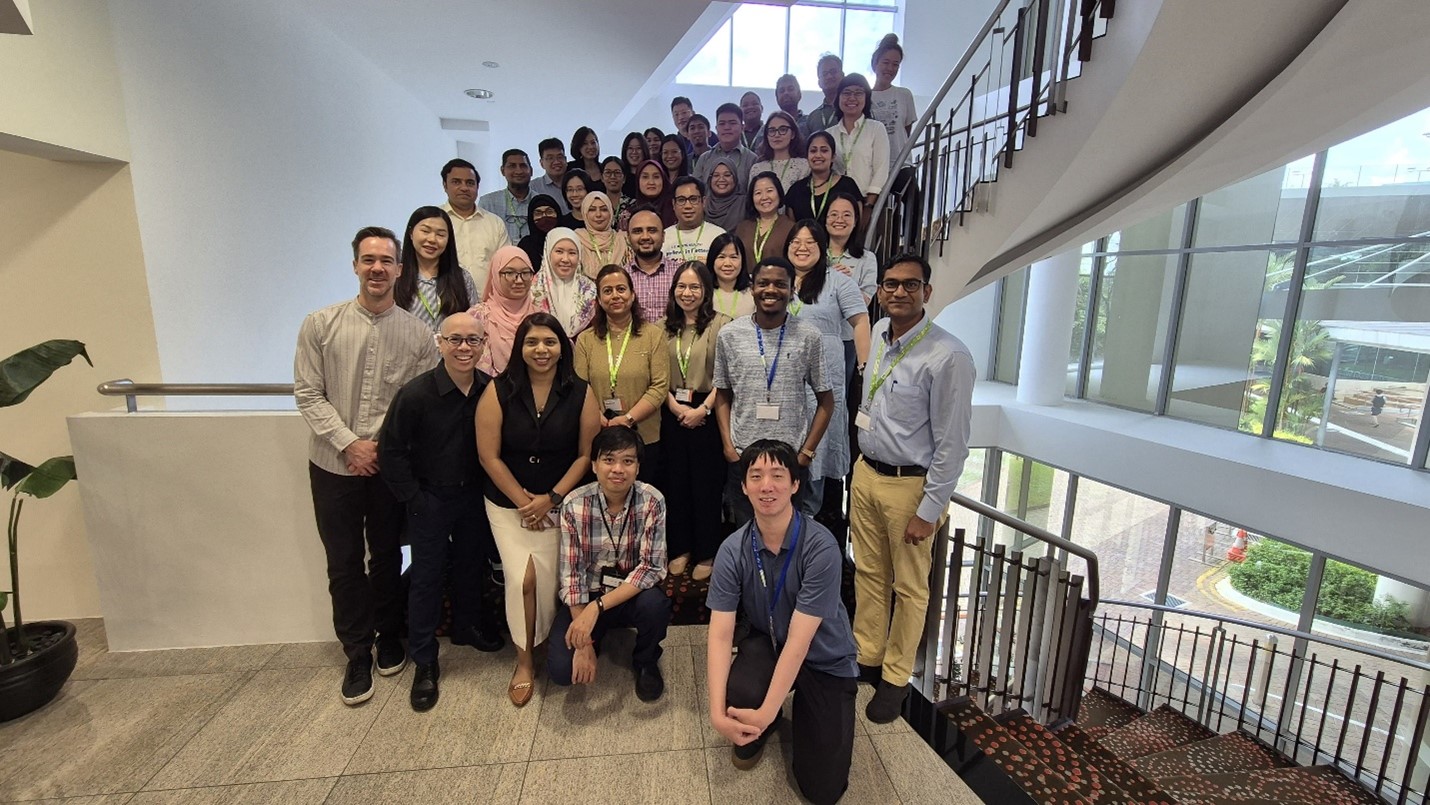
The workshop was opened by Dr. De Alwis Ruklanthi, Deputy Director of the Centre for Outbreak Preparedness, and Patrick Ayscue, D.V.M., a representative from CZI Biohub, with La Moe as the event coordinator. The activity was guided by facilitators and trainers from various institutions, including Paul Oluniyi and Gowtham Thakku (CZI Biohub), Zhu Feng (Duke-NUS), Sandy Tze Min Makk and Yi Hong Chew (A*STAR Bioinformatics Institute), Md Mobarok Hossain (International Centre for Diarrhoeal Disease Research, Bangladesh / icddr,b), Carlo Lapid (Philippine Genome Center / PGC), and Judith Wong (National Environment Agency, Singapore).
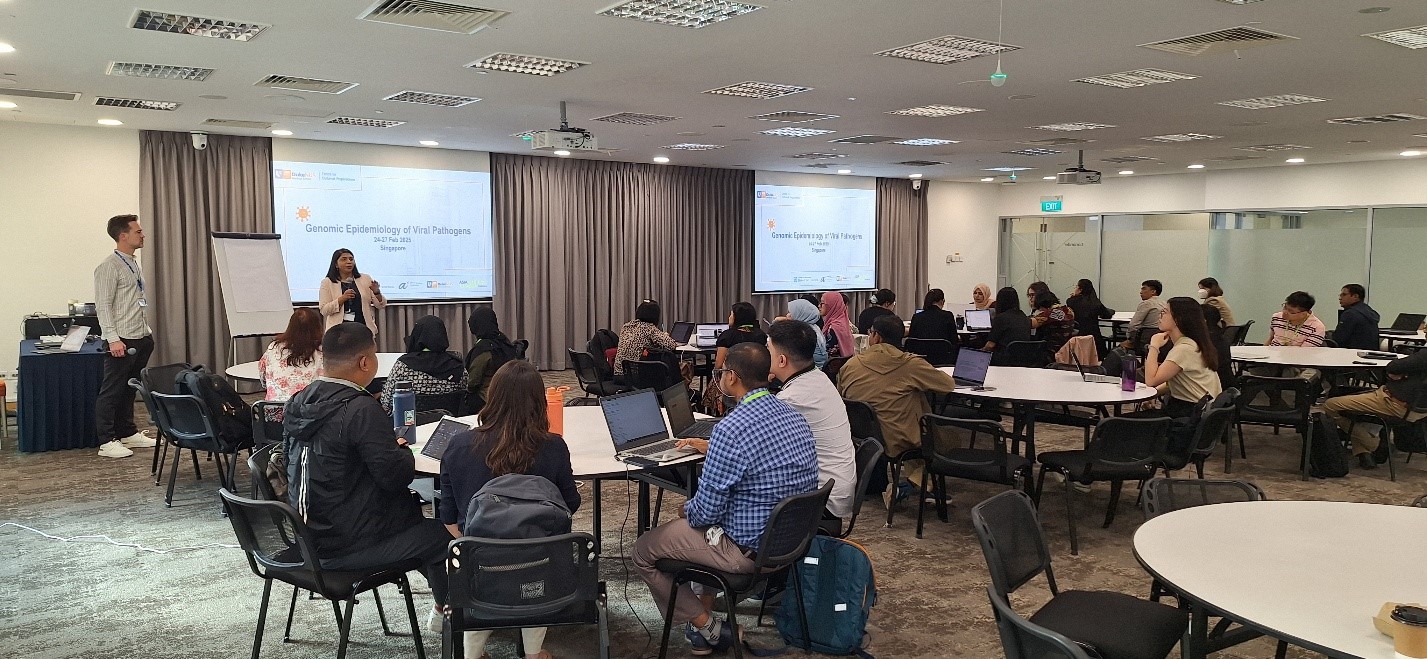
This workshop focuses on the application of bioinformatics for sequencing data analysis. The activity begins with introductory material on the basics of genomic epidemiology, including using genomic data combined with individual metadata to identify demographic and genomic factors that influence pathogen transmission patterns. In addition, participants will also receive special training related to the selection of sample quality as input, the operation of bioinformatics software, bioinformatics analysis methods, and data processing from Next-Generation Sequencing (NGS) technology to produce outputs such as visualization of phylogenetic relationships. At the end of the activity, participants are expected to be able to interpret the data to support health interventions, resource allocation, and policy formulation in the context of indicator-based surveillance and outbreak response, with the integration of sequencing data into pathogen surveillance programs, future outbreak control efforts are expected to be carried out earlier and with minimal impact.
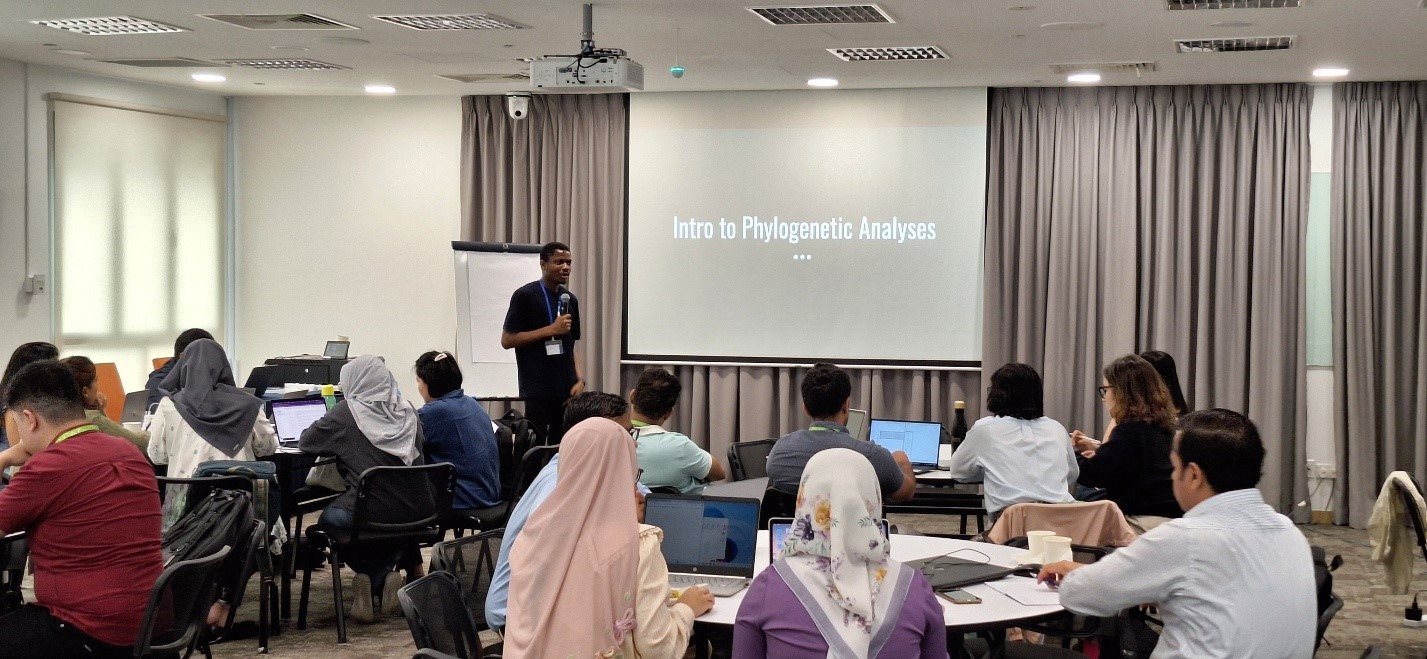
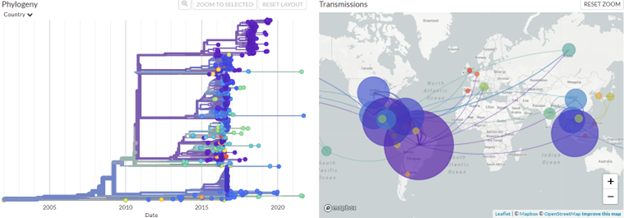
*Demonstration of bioinformatics analysis results at the workshop in the form of a phylogenetic tree (left) and global transmission map (right) for the Zika Virus from 2001–2021.